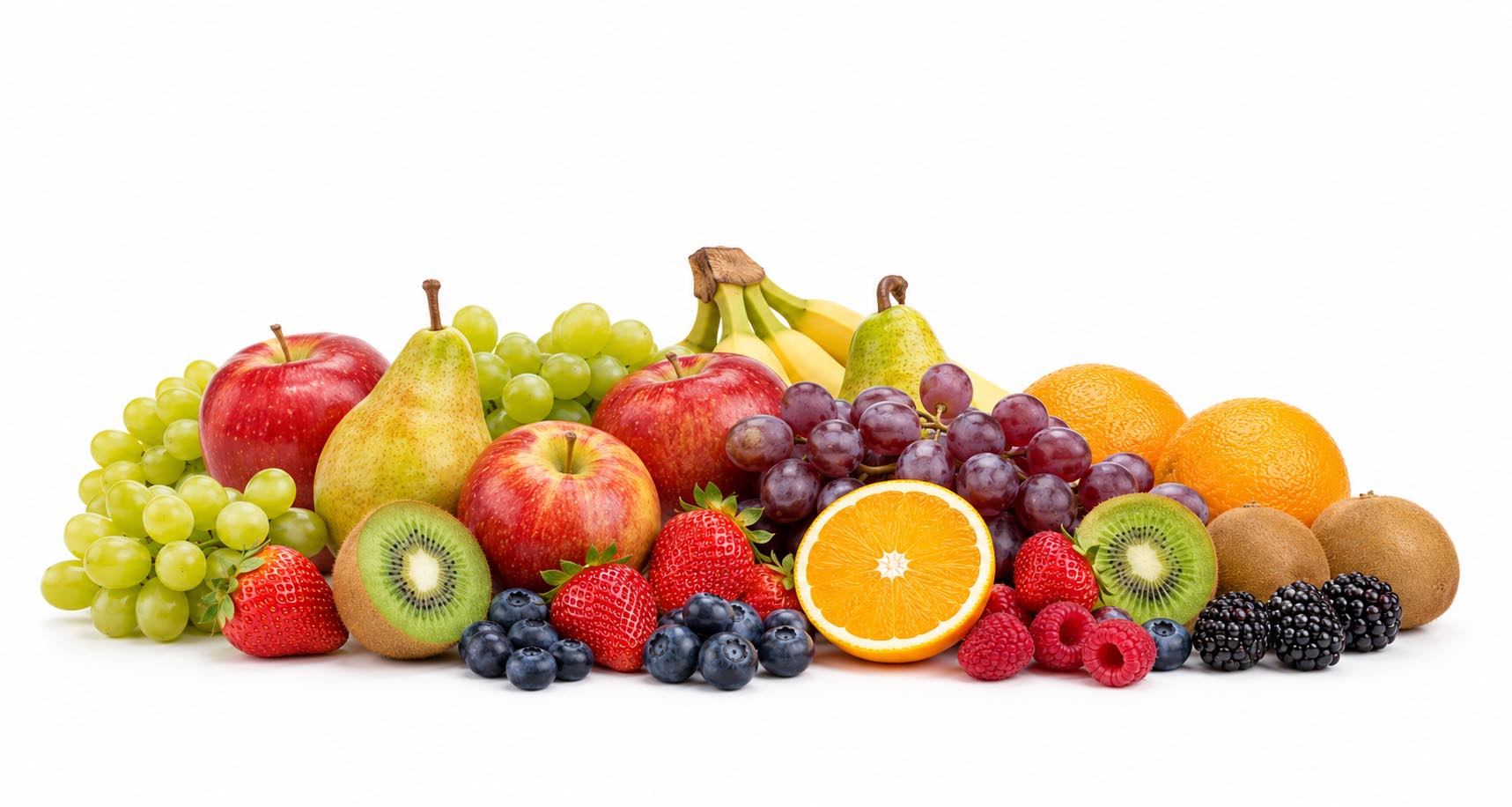
Fruit Nutrition: Facts and Health Benefits

Fruit Nutrition: Health Benefits Fruit provides the body with vital vitamins and is in fact one of the highest possible sources of vitamins from food. Fruit generally contains more vitamins than vegetables, and can also provide the body with essential nutrients including protein, iron, potassium and zinc. These are fundamental nutrients that can significantly improve and help to maintain our overall health and well-being. A well-balanced diet can help to strengthen our immune system and enable us to fight against virus, illness and disease.

Research has shown that eating just five portions of fruit and vegetables per day can significantly reduce the risk of many major life threatening diseases including different types of cancer and heart disease. There are lots of health benefits to be gained from eating fruit - the list is endless and this website aims to educate and teach people about the importance of eating fruit and how a diet rich in vitamins, minerals and nutrients can help to improve their health, well-being and lifestyle. This fruit website provides nutritional information, interesting and amazing facts about the most popular a-z list of fruits.

Fruit Nutrition: Nutritional Data There are many types of different fruits which all provide various health benefits. Most fruits are extremely cleansing and help to rid the body of toxins. People refer to this wonderful food group as miracle foods and superfoods, as fruit is highly regarded for its healing powers and nutritional benefits. Many fruits positively assist the digestive system and encourage bowel movement which in turn helps weight loss. Fruit aids the body and helps it to absorb more essential vitamins, minerals and nutrients.

The health benefits and nutritional value of fruit is extremely high as it provides us with a rich source of essential vitamins and nutrients. Fruit contains natural sugars which the body copes with very well. Most fruits take around thirty minutes to digest. Fruit provides a healthy snack as it is generally low in sugar, packed with vitamins, benefits and nutrition, and many varieties have high water content and are fat free; fruit energizes and revitalizes the body very quickly. Both fresh and dried fruit provide a rich source of vitamins, benefits and nutrients. Most fruits can be eaten raw and where possible they should be as raw fruit contains the most nutritional value and benefits.

Fruit Nutrition: Facts and Health Benefits The definition of a Fruit: fruit can be defined as an edible product which contains seeds and is grown either on a fruit tree or a fruit plant, and is eaten as food. The fruit is usually produced seasonally, or at a specified time by the tree or plant. Humans rely strongly on fruit as it provides an extremely rich source of vitamins and nutrients which are essential for our health and can significantly improve lifestyle and increase life expectancy. Fruit is generally sweet in taste and can be eaten raw. This particular food group has been grown for centuries and has been highly favored throughout the world. Fruits can also be defined as sweet tasting plant products.

Fruit Nutrition: Nutritional Information Questioning the health benefits of fruit may seem unnecessary to those who are used to a good diet that rich in fruit, however, not everybody is used to a fruit diet and many fruits may simply be unrecognizable to some and appear bizarre and unusual, especially some types of exotic and tropical fruits that are readily available throughout the world in this day and age, no matter what the season, due to transportation. Many people simply do not know how to prepare and eat these new and strange fruits. Most fruits are vibrant in color, sweet and delicious in taste and wonderfully smelling with delicious skin ranging from crispy to velvety textures!

A diet short of fruit would be very dull as this fantastic food group brightens up any diet and positively boosts our health and immunity. The saying 'an apple a day keeps the doctor away' holds a great amount of truth! Fruit is not a luxury but an everyday necessity for all and a food group that should form part of a daily, healthy balanced diet as the nutritional benefits are limitless. There are many different varieties from across the world available in our supermarkets - many of which are priced reasonably and very easy to prepare ready for eating. This site aims to advise of the variety of fruits that are available including the most common citrus fruits such as oranges and lemons, the usual apples, cherries, bananas, grapes, peaches and plums that most people recognize and eat on a regular basis, to the most unusual fruit types of all shapes and sizes, and bright, vibrant colors such as orange, yellow and red, for example papaya, passion fruit and guava - some of which you may recognize and others that are less commonly known such as the exotic and tropical fruit varieties. We have selected the healthiest recipes for fruits which are quick and easy to make, but rich in minerals and vitamins, and bursting with health! Some of the recipes include simple fruit salads where the fruit is eaten raw. Other fruit recipes include cooked fruit, for example baked pear.

Fruit Nutrition: Health Benefits and Nutritional Content Fruit has unbelievable health benefits. The following list provides just some of the nutritional benefits that can be gained by eating different fruits:

reduce stress

fight against major diseases including cancers

improves sleep pattern

prevents the ageing process by making skin appear younger and healthier

improves hair and nail health

speeds up metabolism

aids the digestive system

help to control weight loss

keeps hearts healthy

strengthens the immune system

helps depression by lifting and improving mood

detoxifies and cleanses the body (fruit detox)

* Important tip - always remember to wash fruit well before eating!

Fruit Nutrition: Types and Varieties If you have ever wondered about the history of the Fruit; where this wonderful food that is so beneficial to our health originated from, then it may come as some surprise that it was actually discovered by many of our greatest explorers who first founded or introduced different varieties from foreign lands to their native countries! For example, it was Alexander the Great who discovered peaches during his travels through the old silk routes to Persia. He introduced this velvety and uniquely textured and tasting fruit to the Greeks and the Romans.

Gradually humans began trying and tasting these unusual, bizarre, bright, vibrant and colorful exotic, citrus, fleshy and soft fruits from foreign lands and oriental countries. All of which provide us with essential vitamins and nutrients, and help to maintain and improve our health, well-being and lifestyles. All types of fruit of very high standard and quality are readily available to us in this day and age.

Fruit Nutrition: History, Info and Facts Since the very early times of human existence, fruit has been an essential part of the human diet and has been recognized for its health benefits, qualities and healing powers. For example, the wild crab apple was the first apple to be cultivated during prehistoric times, and was done so by the Romans. The Roman empire favored the apple highly and continued to grow many different varieties of this healthy fruit! The pear too was grown during prehistoric times by the Romans and Phoenicians, and in fact, for the Persian kings, the pear was a once a royal delicacy! Bananas have been grown in the tropics since ancient times and originated from South-east Asia. For further information about the history of fruits, please refer to the individual fruits listed above.

Fruit Nutrition: Growing Your Own Many people grow their own fruit so that they can experience the freshest and most healthiest food at low cost. Each season brings different types of nutritional fruits bursting with health benefits. They say that if you were to grow any tree in your garden, then let it be an apple tree as this particular fruit provides rich nutritional benefits and this apple trees helps to fight pollution.

Health experts and nutritionists believe that a well-balanced diet that includes at least five portions of fruit and Fruit per day will help to considerably improve our lifestyles and ultimately extend our lives

AppleApples contain 52 kcal and 2.4 g of fibre per 100 g. Full nutrition facts, health benefits, vitamins, and storage guide for apples.
ApricotApricots provide 48 kcal and 2 g of fibre per 100 g and are rich in beta-carotene. Full nutrition facts, health benefits, and storage tips.
CherryCherries provide 63 kcal and 2.1 g of fibre per 100 g. Full nutrition facts, antioxidant content, health benefits, and storage tips.
GrapefruitGrapefruit contains 33 kcal and 1.1 g of fibre per 100 g. Nutrition facts, vitamin C content, health benefits, and medication interaction notes.
KumquatKumquats contain 71 kcal and 6.5 g of fibre per 100 g and are eaten whole, skin and all. Full nutrition facts, health benefits, and uses.
LemonLemons provide 29 kcal and 2.8 g of fibre per 100 g and are high in vitamin C. Full nutrition facts, health benefits, and culinary uses.
LimeLimes contain 30 kcal and 2.8 g of fibre per 100 g. Full nutrition facts, vitamin C content, health benefits, and culinary uses of lime.
NectarineNectarines contain 44 kcal and 1.7 g of fibre per 100 g. Full nutrition facts, vitamins, health benefits, and storage tips for nectarines.
PeachPeaches contain 39 kcal and 1.5 g of fibre per 100 g. Full nutrition facts, vitamins, health benefits, and storage tips for fresh peaches.
PearPears provide 57 kcal and 3.1 g of fibre per 100 g. Full nutrition facts, vitamins, health benefits, and storage tips for pears.
PhysalisPhysalis contains 53 kcal per 100 g and is high in antioxidants and vitamin C. Full nutrition facts, health benefits, and culinary uses.
Prickly PearPrickly pear contains 41 kcal and 3.6 g of fibre per 100 g. Nutrition facts, health benefits, and how to prepare this cactus fruit safely.
RaspberryRaspberries contain 52 kcal and 6.5 g of fibre per 100 g. Full nutrition facts, antioxidant content, health benefits, and storage tips.
AvocadoAvocados contain 160 kcal and 14.7 g of healthy monounsaturated fat per 100 g. Full nutrition facts, health benefits, and preparation guide.
BananaBananas provide 89 kcal and 22.8 g of carbohydrates per 100 g. Full nutrition facts, potassium content, health benefits, and storage tips.
BlackberryBlackberries contain 43 kcal and 5.3 g of fibre per 100 g. Full nutrition facts, vitamin C content, health benefits, and storage tips.
BlackcurrantBlackcurrants contain 63 kcal per 100 g and are exceptionally rich in vitamin C and anthocyanins. Full nutrition facts and health benefits.
BlueberryBlueberries contain 57 kcal and 2.4 g of fibre per 100 g. Full nutrition facts, antioxidant content, health benefits, and storage tips.
Cantaloupe MelonCantaloupe melon contains 34 kcal per 100 g and is high in vitamin A and beta-carotene. Full nutrition facts, health benefits, and storage tips.
ClementineClementines contain 47 kcal and 1.7 g of fibre per 100 g and are an excellent source of vitamin C. Full nutrition facts and health benefits.
DamsonDamsons contain 46 kcal and 1.4 g of fibre per 100 g. Full nutrition facts, health benefits, and how to use these tart plum-like fruits.
DateDates provide 277 kcal and 6.7 g of fibre per 100 g and are naturally very sweet. Full nutrition facts, health benefits, and storage tips.
Dragon FruitDragon fruit is a low-calorie tropical fruit rich in antioxidants, fibre, and vitamin C. Full nutrition facts, health benefits, and preparation guide.
ElderberryElderberries provide 73 kcal and 7 g of fibre per 100 g. Nutrition facts, immune health benefits, and important notes on safe preparation.
FigFigs contain 74 kcal and 2.9 g of fibre per 100 g. Full nutrition facts, natural sugar content, health benefits, and storage tips for figs.
GooseberryGooseberries provide 44 kcal and 4.3 g of fibre per 100 g and are high in vitamin C. Full nutrition facts, health benefits, and storage tips.
GrapeGrapes contain 67 kcal and 16.3 g of natural sugars per 100 g. Nutrition facts, resveratrol content, health benefits, and storage tips.
GuavaGuavas provide 68 kcal and 5.4 g of fibre per 100 g and are exceptionally rich in vitamin C. Full nutrition facts and health benefits.
KiwifruitKiwifruit provides 61 kcal and 3 g of fibre per 100 g and is very high in vitamin C and vitamin K. Full nutrition facts and health benefits.
Mandarin OrangeMandarin oranges provide 53 kcal and 1.8 g of fibre per 100 g. Full nutrition facts, vitamin C content, health benefits, and storage tips.
MangoMangoes provide 60 kcal per 100 g and are rich in vitamins A and C. Full nutrition facts, health benefits, and how to ripen and store mangoes.
OrangeOranges provide 47 kcal and 2.4 g of fibre per 100 g and are an excellent source of vitamin C. Full nutrition facts and health benefits.
PineapplePineapples provide 50 kcal and 1.4 g of fibre per 100 g and contain bromelain. Full nutrition facts, health benefits, and storage tips.
PlumPlums contain 46 kcal and 1.4 g of fibre per 100 g. Full nutrition facts, vitamins, health benefits, and storage tips for fresh plums.
PomegranatePomegranates provide 83 kcal and 4 g of fibre per 100 g. Nutrition facts, antioxidant content, cardiovascular health benefits, and how to eat them.
PrunePrunes provide 240 kcal and 7.1 g of fibre per 100 g. Full nutrition facts, digestive health benefits, and how prunes compare to fresh plums.
RedcurrantRedcurrants provide 56 kcal and 4.3 g of fibre per 100 g and are very high in vitamin C. Full nutrition facts and health benefits.
SatsumaSatsumas contain 53 kcal and 1.8 g of fibre per 100 g and are a good source of vitamin C. Full nutrition facts, health benefits, and storage tips.
StrawberryStrawberries contain 32 kcal and 2 g of fibre per 100 g and are very high in vitamin C. Full nutrition facts, health benefits, and storage tips.
TangerineTangerines contain 53 kcal and 1.8 g of fibre per 100 g and are a good source of vitamin C. Full nutrition facts, health benefits, and storage tips.
WatermelonWatermelon contains 30 kcal per 100 g and is 92% water. Full nutrition facts, lycopene content, health benefits, and storage tips.
CoconutCoconut is high in saturated fat and medium-chain triglycerides. Nutrition facts for coconut flesh, coconut water, and coconut milk.
CranberryCranberries contain 46 kcal and 3.6 g of fibre per 100 g. Nutrition facts, health benefits, and the evidence on urinary tract health.
JackfruitJackfruit contains 95 kcal and 1.5 g of fibre per 100 g. Nutrition facts, health benefits, and how to use jackfruit as a plant-based meat substitute.
LycheeLychees are a fragrant tropical fruit exceptionally rich in vitamin C and antioxidants. Full nutrition facts, health benefits, and how to eat them.
PapayaPapaya contains 43 kcal and 1.7 g of fibre per 100 g. Nutrition facts, papain enzyme benefits, vitamins A and C, and how to select papaya.
Passion FruitPassion fruit is high in fibre and rich in vitamins A and C. Full nutrition facts, health benefits, and how to eat and use passion fruit.
PlantainPlantains contain 122 kcal and 31.9 g of carbohydrates per 100 g. Nutrition facts, health benefits, and how plantains differ from bananas.
Honeydew MelonHoneydew melon is a low-calorie, hydrating fruit high in vitamin C and potassium. Full nutrition facts, health benefits, and storage tips.
Blood OrangeBlood oranges are high in vitamin C and distinctive anthocyanins that give them their crimson colour. Full nutrition facts and health benefits.
PomeloPomelo is the largest citrus fruit and a natural ancestor of the grapefruit. Full nutrition facts, health benefits, and how to peel and eat pomelo.
Açaí BerryAçaí berries are among the most antioxidant-rich fruits in the world. Full nutrition facts, health benefits, and how to use açaí.
DurianDurian is a calorie-dense tropical fruit known as the king of fruits. Full nutrition facts, health benefits, and how to select and eat durian.
MangosteenMangosteen, the queen of fruits, is rich in xanthones and antioxidants. Full nutrition facts, health benefits, and how to select mangosteen.
MulberryMulberries contain 43 kcal and 1.7 g of fibre per 100 g. Full nutrition facts, health benefits, and differences between black, red, and white varieties.
PersimmonPersimmons contain 127 kcal per 100 g and are rich in vitamin A, vitamin C, and antioxidants. Full nutrition facts, varieties, and health benefits.
QuinceQuinces contain 57 kcal and 1.9 g of fibre per 100 g. Nutrition facts, health benefits, and how to cook this tart, fragrant fruit.
Star FruitStar fruit (carambola) is a low-calorie tropical fruit high in vitamin C and antioxidants. Full nutrition facts, health benefits, and how to eat it.
TamarindTamarind provides 239 kcal and 5.1 g of fibre per 100 g. Nutrition facts, culinary uses, and health benefits of this sour-sweet tropical fruit.
Morello CherryNutrition facts per 100 g for morello cherry. Calories, protein, carbs, fat and key vitamins from the USDA database.
GreengageNutrition facts per 100 g for greengage. Calories, protein, carbs, fat and key vitamins from the USDA database.
SloeNutrition facts per 100 g for sloe. Calories, protein, carbs, fat and key vitamins from the USDA database.
Crab AppleNutrition facts per 100 g for crab apple. Calories, protein, carbs, fat and key vitamins from the USDA database.
BilberryNutrition facts per 100 g for bilberry. Calories, protein, carbs, fat and key vitamins from the USDA database.
Galia MelonNutrition facts per 100 g for galia melon. Calories, protein, carbs, fat and key vitamins from the USDA database.