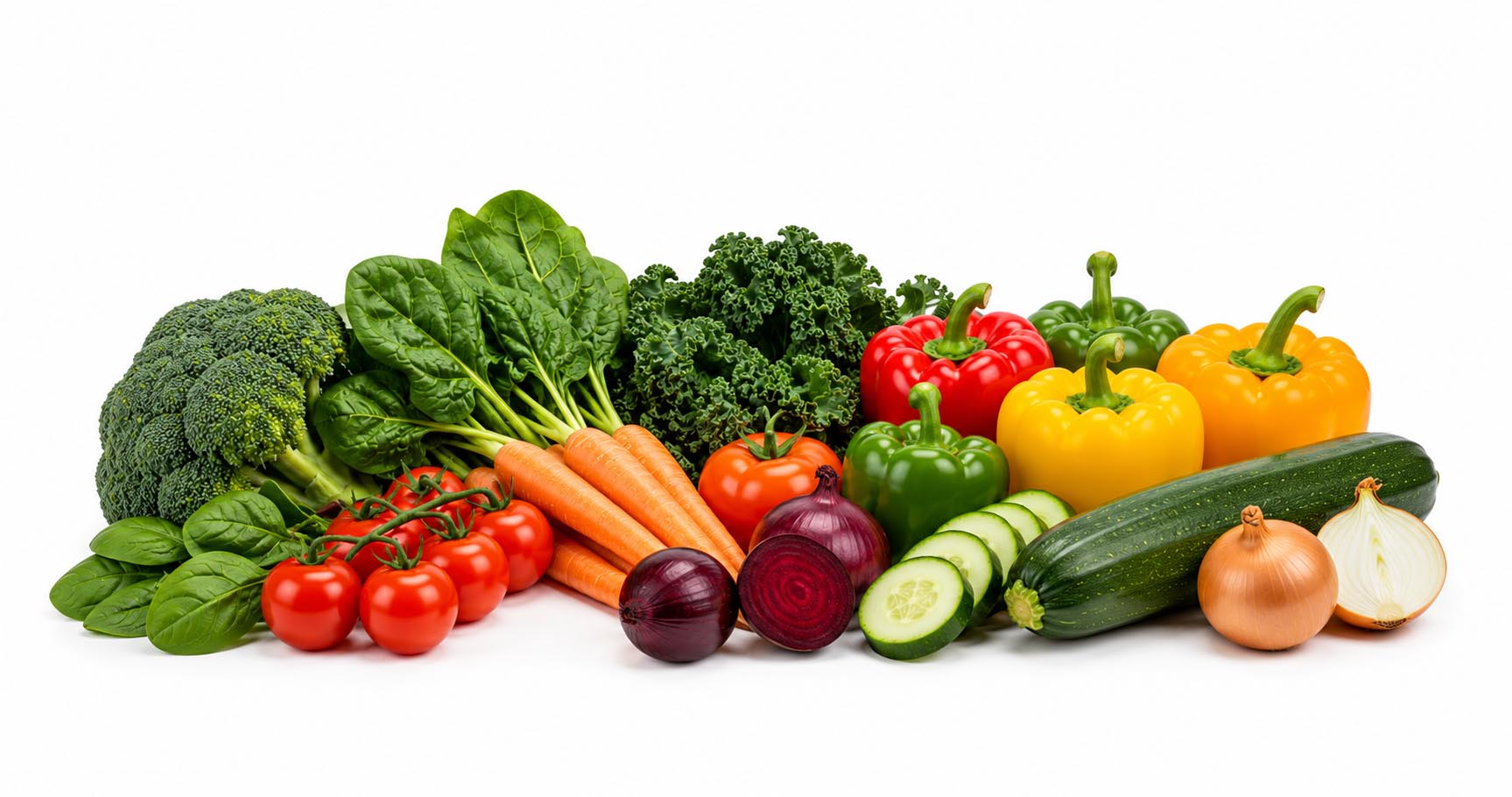
Vegetable Nutrition: Health Benefits and Nutritional Value
How Can Vegetables Improve Our Lifestyles? - Benefits, Health and Nutrition The benefits of vegetables are outstanding as this food group can provide our bodies with vital vitamins and nutrients including protein, iron, potassium and zinc. These are fundamental nutrients that can significantly improve and help benefit our overall health and well-being. A well-balanced diet can strengthen the immune system and enable us to fight against virus, illness and disease. Research into the benefits, vitamins and nutrients of vegetables shows that eating just five portions of nutritious fruit and vegetables per day can benefit our lifestyles by reducing the risk of many major life threatening diseases including different types of cancers and heart disease.
There are lots of health benefits from eating vegetables - the list of nutritional benefits is endless and this website aims to educate and teach people about the importance of eating vegetables and how a diet rich in nutrients and vitamins from vegetables can provide many health benefits and positively improve overall well-being and lifestyle.
Essential Vitamins and Nutrients - Benefits, Health and Nutrition of Vegetables Healthy vegetables are a dietary requirement which should form part of a healthy balanced diet as the nutritional benefits are limitless. There are many different varieties across the world available in our supermarkets - many of which are inexpensive and very simple to cook. This website provides important nutritional data and information regarding the health benefits of vegetables and the positive effects this type of healthy, nutritional food can have on a person. There is information about of the variety of vegetables including the most common green leafy types, unusual types including purple, yellow and red veggies, exotic, oriental and root.
A-Z List of the Most Popular Vegetables - Health Benefits and Nutrition The definition of a vegetable is an edible plant or part of a plant which is used as part of a healthy balanced, nutritional diet which provides lots of health benefits in the form of vitamins, nutrients and minerals. This type of healthy food often accompanies meat or fish as part of a main meal. Vegetables can be defined as plants which are grown for food purposes. The part of the plant which is usually eaten is either the root, stem or leaf. There are exceptions to the edible plant rule.
Vegetable Definition - Health Benefits and Nutrition Vegetables can be defined as plants which are grown for food purposes. The part of the plant which is usually eaten is either the root, stem or leaf. There are exceptions to the edible plant rule. For example, mushrooms are considered by most as vegetables, however, they are not part of a plant. Therefore, the exact definition is sometimes a little unclear but in the main vegetables do come from plants.
Examples of some of the most commonly known vegetables which are grown from plants are: carrots, cabbage, beans, broccoli, and cauliflower. All types provide various nutritional benefits and vitamins. Most contain few calories and carbohydrates.
The History of the Vegetable - Benefits, Health and Nutrition Since the very early times of human existence, vegetables have formed an essential part of the human diet; whether it's been the root, stems, leaves or seeds that we've been eating, we have been doing so for a very long time all across the world! For example - vegetables such as onions, garlic, radishes, broad beans and lettuce was grown by the Egyptians. The Romans and the Greeks grew fennel and artichokes.
If you have ever wondered about the history of vegetables and where these edible plants, that are so beneficial to our health and nutrition, originated, then it may come as some surprise to your that it was actually many of our greatest explorers who first founded or introduced different varieties of vegetables from foreign lands to their native countries - bringing benefits, health and nutrition to their homelands!
Who Discovered Potatoes? Christopher Columbus was one of the explorers who discovered potatoes and other healthy vegetables such as peppers, tomatoes, maize and different varieties of squash. Marco Polo brought aromatic spices to Europe from his travels in China. It is believed that Sir Walter Raleigh discovered potatoes , although some people say it may have been Sir Francis Drake during his visit to Columbia, South America in 1586.
Growing Your Own Vegetables - Benefits, Health and Nutrition Gradually humans began trying and tasting these healthy, unusual, vibrant and colorful vegetables from exotic and oriental countries. All of which provide us with essential health benefits, vitamins and nutrients, and help to maintain and improve nutrition, health, well-being and lifestyle. All types of vegetables of very high standard and quality are readily available to us in this day and age.
Many people grow their own veg so that they can experience the most health benefits and nutritional benefits from the freshest and most healthiest produce at a low cost. It takes considerable time and care throughout the seasons to grown healthy, nutritional veggies. It is not an easy task but home-grown veggies taste lovely and contain the most vitamins and nutrients which is essential for good health.
Health experts and nutritionists believe that a well-balanced diet that includes at least five portions of fruit and vegetables per day will help to considerably improve our lifestyles and ultimately extend our lives
ArtichokeArtichokes provide 47 kcal and 5.4 g of fibre per 100 g. Full nutrition facts, health benefits, and how to prepare and cook artichokes.
AsparagusAsparagus contains 20 kcal and 2.1 g of fibre per 100 g and is rich in folate and vitamins K and C. Full nutrition facts and health benefits.
AubergineAubergine (eggplant) provides 25 kcal and 3 g of fibre per 100 g. Full nutrition facts, health benefits, and cooking guide for aubergine.
BeetrootBeetroot provides 43 kcal and 2.8 g of fibre per 100 g and is rich in nitrates and folate. Full nutrition facts, health benefits, and storage tips.
Broad BeansBroad beans (fava beans) provide 72 kcal and 5.6 g of protein per 100 g. Full nutrition facts, health benefits, and how to prepare and cook them.
BroccoliBroccoli contains 34 kcal and 2.6 g of fibre per 100 g and is exceptionally rich in vitamins C and K. Full nutrition facts and health benefits.
Brussels SproutsBrussels sprouts contain 43 kcal and 3.8 g of fibre per 100 g and are very high in vitamins C and K. Full nutrition facts and health benefits.
CabbageCabbage contains 25 kcal and 2.5 g of fibre per 100 g and is high in vitamins C and K. Full nutrition facts, health benefits, and cooking guide.
CarrotCarrots contain 41 kcal and 2.8 g of fibre per 100 g and are one of the richest sources of beta-carotene. Full nutrition facts and health benefits.
CauliflowerCauliflower provides 25 kcal and 2 g of fibre per 100 g. Full nutrition facts, health benefits, and cooking ideas including cauliflower rice and roasting.
CeleryCelery contains just 14 kcal per 100 g, making it one of the lowest-calorie vegetables available. Full nutrition facts, health benefits, and uses.
ChivesChives provide 30 kcal and 2.5 g of fibre per 100 g and contain useful amounts of vitamins K and C. Full nutrition facts, health benefits, and uses.
CornCorn (sweetcorn) provides 86 kcal and 2 g of fibre per 100 g. Full nutrition facts, health benefits, and how corn compares to other starchy vegetables.
CucumberCucumbers contain just 15 kcal per 100 g and are 96% water. Full nutrition facts, hydration benefits, vitamins, and how to use cucumbers in cooking.
GarlicGarlic contains 149 kcal per 100 g and is rich in allicin and organosulphur compounds with well-studied health benefits. Full nutrition facts and health guide.
LeekLeeks provide 61 kcal and 1.8 g of fibre per 100 g and contain kaempferol and useful amounts of folate and vitamins K and C. Full nutrition facts.
MushroomMushrooms provide 22 kcal and 3.09 g of protein per 100 g and are one of the few non-animal sources of vitamin D. Full nutrition facts and health benefits.
OnionOnions provide 40 kcal and 1.7 g of fibre per 100 g and contain quercetin and sulphur compounds with studied health benefits. Full nutrition facts.
ParsnipsParsnips contain 75 kcal and 4.9 g of fibre per 100 g, making them one of the higher-fibre root vegetables. Full nutrition facts and health benefits.
PeasPeas provide 42 kcal and 2.8 g of protein per 100 g and are one of the most nutritious everyday vegetables. Full nutrition facts, vitamins, and health benefits.
PeppersPeppers contain 26 kcal per 100 g and are one of the richest food sources of vitamin C. Nutrition facts for red, green, yellow, and chilli peppers.
PotatoPotatoes provide 77 kcal and 2.1 g of fibre per 100 g and are a good source of potassium and vitamin B6. Full nutrition facts, health benefits, and cooking tips.
ShallotsShallots provide 72 kcal and 3.2 g of fibre per 100 g and are rich in quercetin and organosulphur compounds. Full nutrition facts and health benefits.
SpinachSpinach provides 23 kcal per 100 g and is exceptionally rich in vitamins K, A, and C, folate, and iron. Full nutrition facts and health benefits.
SwedeSwede (rutabaga) contains 37 kcal and 2.3 g of fibre per 100 g. Full nutrition facts, health benefits, and how to use swede in cooking.
Sweet PotatoSweet potatoes provide 86 kcal and 3 g of fibre per 100 g and are one of the best food sources of beta-carotene. Full nutrition facts and health benefits.
TaroTaro provides 112 kcal and 4.1 g of fibre per 100 g and is a staple starchy root vegetable across Asia, Africa, and the Pacific. Full nutrition facts.
TomatoTomatoes contain 18 kcal per 100 g and are one of the best dietary sources of lycopene. Full nutrition facts, health benefits, and guide to varieties.
TurnipTurnips contain 28 kcal and 1.8 g of fibre per 100 g and are a good source of vitamin C. Full nutrition facts, health benefits, and cooking guide.
WatercressWatercress contains just 11 kcal per 100 g yet is exceptionally rich in vitamins K, C, and A. Full nutrition facts, health benefits, and culinary uses.
YamYam provides 118 kcal and 4.1 g of fibre per 100 g. Nutrition facts, health benefits, and the difference between yams and sweet potatoes explained.
ZucchiniZucchini (courgette) contains 21 kcal per 100 g and is high in water content and vitamins C and B6. Full nutrition facts, health benefits, and cooking guide.
KaleKale provides 35 kcal and 4.1 g of fibre per 100 g and is one of the most nutrient-dense foods available. Full nutrition facts, vitamins, and health benefits.
Butternut SquashButternut squash is rich in beta-carotene, vitamin A, and vitamin C. Full nutrition facts, health benefits, and how to roast and cook butternut squash.
PumpkinPumpkin contains 26 kcal per 100 g and is one of the richest food sources of beta-carotene and vitamin A. Full nutrition facts, health benefits, and cooking tips.
LettuceLettuce contains just 17 kcal and 2.1 g of fibre per 100 g. Nutrition facts, vitamins, and a guide to the different varieties from romaine to iceberg.
Green BeansGreen beans (French beans or string beans) are low in calories and a good source of vitamins C and K. Full nutrition facts, health benefits, and cooking tips.
Spring OnionSpring onions (scallions or green onions) are very low in calories and rich in vitamins K and C. Full nutrition facts, health benefits, and culinary uses.
Pak ChoiPak choi (bok choy) is very low in calories and an excellent source of vitamins C and K and calcium. Full nutrition facts, health benefits, and cooking guide.
RocketRocket (arugula) contains 25 kcal per 100 g and is rich in vitamins K and C and glucosinolates. Full nutrition facts, health benefits, and culinary uses.
Swiss ChardSwiss chard is extremely rich in vitamins K, A, and C and is very low in calories. Full nutrition facts, health benefits, and how to cook Swiss chard.
FennelFennel contains 31 kcal and 3.1 g of fibre per 100 g and provides a good source of vitamin C and potassium. Full nutrition facts, health benefits, and uses.
OkraOkra contains 33 kcal and 3.2 g of fibre per 100 g and is a useful source of vitamins C and K. Full nutrition facts, health benefits, and cooking guide.
RadishRadishes contain just 16 kcal per 100 g and provide vitamin C, folate, and digestive support. Full nutrition facts, health benefits, and culinary uses.
EdamameEdamame provides around 121 kcal and 5.2 g of fibre per 100 g and is one of the richest plant sources of complete protein. Full nutrition facts and health benefits.
MangetoutMangetout (snow peas or sugar snap peas) are a low-calorie source of vitamins C and K. Full nutrition facts, health benefits, and how to cook mangetout.
Runner BeansRunner beans are a low-calorie, high-fibre vegetable rich in vitamins C and K. Full nutrition facts, health benefits, and how to prepare and cook them.
Bamboo ShootsBamboo shoots contain 27 kcal and 2.2 g of fibre per 100 g. Full nutrition facts, health benefits, and how to prepare fresh and canned bamboo shoots.
Water ChestnutsWater chestnuts are crisp, mildly sweet corms with around 97 kcal per 100 g. Full nutrition facts, health benefits, and how to cook with water chestnuts.
DaikonDaikon (mooli or white radish) is very low in calories and a source of vitamin C and digestive enzymes. Full nutrition facts and health benefits.
EndiveNutrition facts per 100 g for endive. Calories, protein, carbs, fat and key vitamins from the USDA database.
ChicoryNutrition facts per 100 g for chicory. Calories, protein, carbs, fat and key vitamins from the USDA database.
RadicchioNutrition facts per 100 g for radicchio. Calories, protein, carbs, fat and key vitamins from the USDA database.
RomanescoNutrition facts per 100 g for romanesco. Calories, protein, carbs, fat and key vitamins from the USDA database.
KohlrabiNutrition facts per 100 g for kohlrabi. Calories, protein, carbs, fat and key vitamins from the USDA database.
Jerusalem ArtichokeNutrition facts per 100 g for jerusalem artichoke. Calories, protein, carbs, fat and key vitamins from the USDA database.
SalsifyNutrition facts per 100 g for salsify. Calories, protein, carbs, fat and key vitamins from the USDA database.
MarrowNutrition facts per 100 g for marrow. Calories, protein, carbs, fat and key vitamins from the USDA database.
Acorn SquashNutrition facts per 100 g for acorn squash. Calories, protein, carbs, fat and key vitamins from the USDA database.
Spaghetti SquashNutrition facts per 100 g for spaghetti squash. Calories, protein, carbs, fat and key vitamins from the USDA database.
Read this page online at www.nourishmentforlife.org/vegetables